Perhaps it is because I have a two-year old and I read children’s books every night for bedtime, but I’ve been thinking a lot about storytelling lately. It could also be the data nerd in me.
In a world increasingly shaped by data, dashboards, and strategic plans, it’s easy to forget that behind every metric is a human story. For institutions committed to public service—whether in education, government, or the nonprofit sector—storytelling is not just an art form; it’s a leadership practice. At its best, storytelling invites connection, builds trust, and turns abstract goals into lived realities. But even more critically, storytelling is a vehicle for accountability and transparency, two values that have never been more essential—or more at risk.
As stewards of institutional missions, we are often asked to provide evidence of impact. We draft reports, deliver presentations, and show year-over-year improvements. These are necessary tools. But the numbers alone rarely tell the full story. They can show change, but not always meaning. They can show progress, but not always the costs. And they almost never tell us who benefited—or who was left behind.
This is where storytelling comes in. When leaders and organizations embrace authentic storytelling, they open the door to a more honest, inclusive, and ultimately more accountable conversation about their work.
Storytelling Builds Connection—and Trust
At the heart of accountability is trust. People—whether students, staff, donors, or community members—need to believe that institutions are doing what they say they’re doing. But trust doesn’t come from data alone. It comes from seeing and hearing stories that reflect real people, real consequences, and real commitments.
When a university shares the story of a first-generation student navigating campus life, it’s not just a feel-good moment—it’s a window into how policies, programs, and support structures actually work (or don’t). When a nonprofit leader recounts a misstep and what they learned from it, they’re modeling transparency in ways that data can’t replicate. These stories help stakeholders see the mission in action. They humanize the organization. And most importantly, they give people a reason to believe.

Storytelling Exposes Gaps and Challenges
True accountability isn’t just about celebrating wins. It’s also about owning failures, misalignments, and harm. That’s hard to do with charts. But it’s possible—and even powerful—through story.

When told with honesty and humility, stories can illuminate where systems are falling short. They can center voices that are often left out of institutional narratives—voices of students of color, disabled staff, low-income families, or employees who feel unheard. These aren’t just anecdotes; they’re truths that help leaders confront realities that spreadsheets obscure. For example, a program might boast a 90% satisfaction rate, but a single story from a student who felt dismissed by a counselor or unsupported in a classroom can catalyze real reflection and change. That story doesn’t negate the data; it deepens it. It asks leaders to consider not just what is working but for whom, and at what cost.
Storytelling Drives Transparency Without Jargon
One of the challenges in promoting transparency is that many of our institutional communications are saturated in jargon. We talk about “strategic alignment,” “stakeholder engagement,” and “resource optimization.” These phrases may be accurate, but they rarely resonate.
Stories cut through the fog. They bring clarity, emotion, and context. They allow institutions to explain what they’re doing and why, without hiding behind technical language. If a university must make budget cuts, a transparent communication strategy that includes storytelling—such as how a decision was made, who was consulted, and what impact it will have—can reduce fear, confusion, and misinformation. It doesn’t make the news easier, but it makes it clearer, and people respect clarity even when they disagree.
Storytelling Requires Ethical Courage
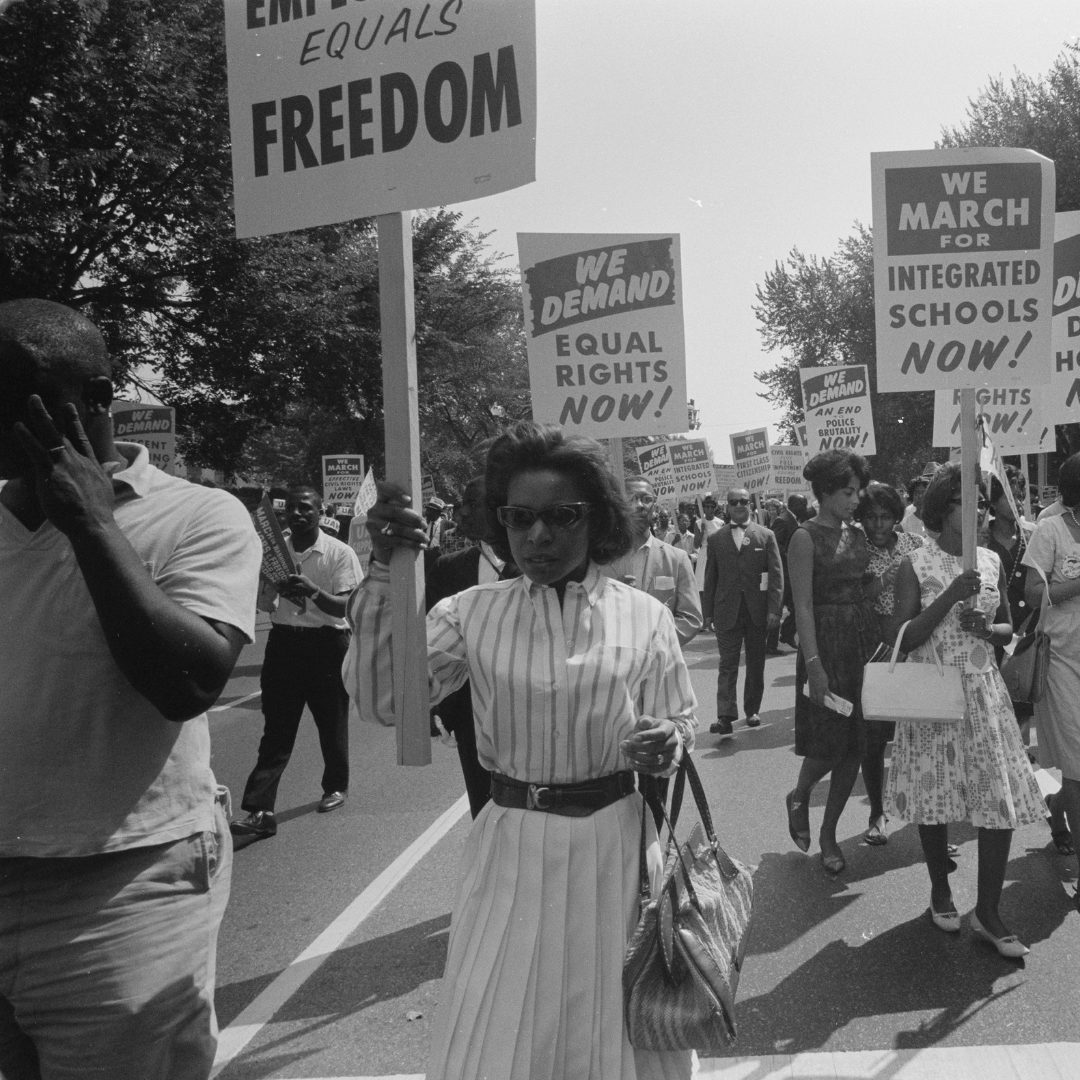
To use storytelling as a tool for accountability, leaders must be willing to listen to stories that challenge their assumptions—and be prepared to act on what they hear. That takes courage. Ethical storytelling isn’t about spinning a good narrative or promoting a brand. It’s about truth-telling. And that means inviting feedback from those who’ve been marginalized, harmed, or ignored.
In this way, storytelling becomes a form of justice work. It asks institutions to confront whose stories are privileged, whose are excluded, and what that says about organizational values. It’s a mirror—and sometimes it reflects back things we’d rather not see. But accountability demands that we look anyway.
Storytelling as an Organizational Practice
So how do we embed storytelling into our leadership practices in ways that foster real accountability?
- Make space for stories at all levels. Host forums, listening sessions, or reflection panels where students, staff, or community members can share experiences. Stories shouldn’t just come from the top—they should reflect the whole ecosystem.
- Train leaders to listen. Storytelling isn’t just about talking; it’s about receiving. Leaders must be trained to listen without defensiveness, to validate without centering themselves, and to act on what they hear.
- Pair stories with data. Stories aren’t a replacement for data—they’re a complement. A powerful report combines the “what” (data) with the “why” and “how” (story). Together, they provide a fuller picture.
- Center marginalized voices. Accountability means hearing from those most affected by decisions. Prioritize stories from underrepresented communities, and avoid tokenism by supporting those storytellers with care, compensation, and context.
- Be transparent about your own story. Leaders who share their own mistakes, learning moments, or growth invite others to do the same. Vulnerability fosters transparency.
- Close the loop. If people share their stories, they deserve to know what changed because of them. Accountability requires follow-up. It’s not enough to listen—we must show how we’ve responded.

Storytelling and the Future of Leadership
The most effective leaders of the future will not only be strategic thinkers or data-savvy analysts. They will be storytellers—leaders who understand that narrative drives culture, that voice drives value, and that transparency is built, not assumed.
In times of uncertainty, people don’t just want to know the plan. They want to know the people behind the plan. They want to know what matters to their leaders and why. They want to feel included in the journey, not just informed of the outcome.
Storytelling creates that bridge. It doesn’t replace strategy or governance—it strengthens them. It invites honesty, reflection, and relational accountability. And it ensures that institutions stay not only effective, but human.
 Paul York, Ph.D.